 Stonebit Resources
Keep your well economic. Lose the flare.
If your pad is bumping up against daily or annual flare and vent limits, or you are paying to burn gas you cannot sell, you have a revenue stream waiting for a customer. Stonebit brings that customer to site.
We are a paying, constant, behind-the-meter load.
We install generation and containerised compute on your pad, under a commercial arrangement that matches your operation. The gas that would have been flared becomes our fuel. You keep producing, your flare volumes drop, and a line on your P&L that used to cost you money starts paying.
We are not trying to buy your production. We want to be a durable user of the molecules you cannot otherwise sell.
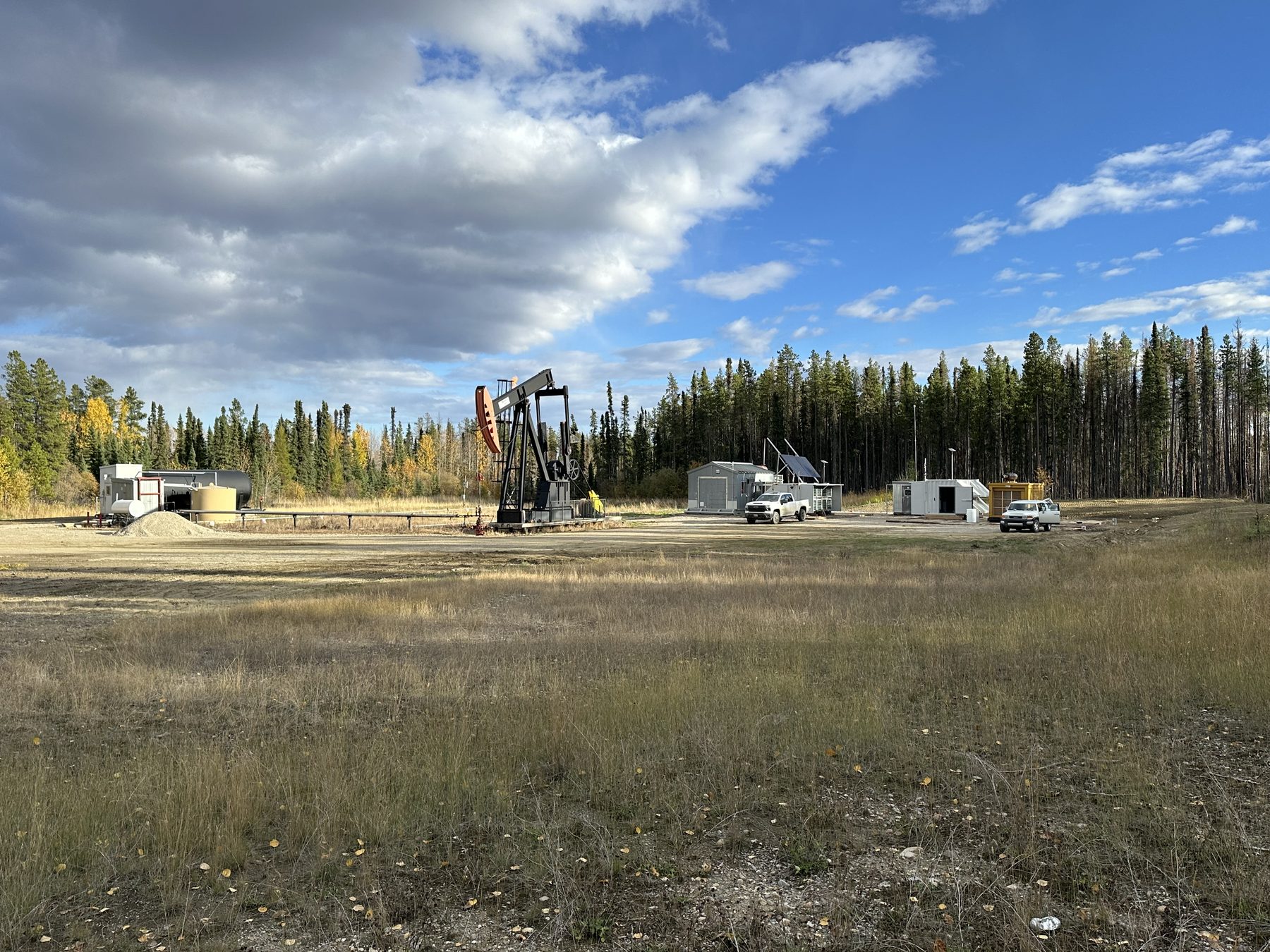
Four outcomes operators care about.
A new line on the lease.
Gas that had no buyer becomes a billable stream. The arrangement can be structured as a royalty, tolling fee, or hybrid depending on how you run your asset.
Stay under the flare cap.
AER Directive 060 and BC ER limits on daily flare, vent, and annual flaring volumes are still binding. Cutting those volumes pulls you back from the cap, removes routine reporting triggers, and protects production from regulator-driven shut-in. Carbon pricing on upstream emissions is paused for now, but if it is reinstated or tightened, the same load already has the abatement in place. Noise impact is addressed up front through certified assessments.
A reason to keep producing.
Marginal or rate-limited wells often get shut in because the gas is unmanageable. A reliable behind-the-meter load keeps the economics of production intact.
An industrial neighbor.
Our sites are NIA certified, AER/AUC aligned, and built on proper matting. We behave like operators, because we are operators.
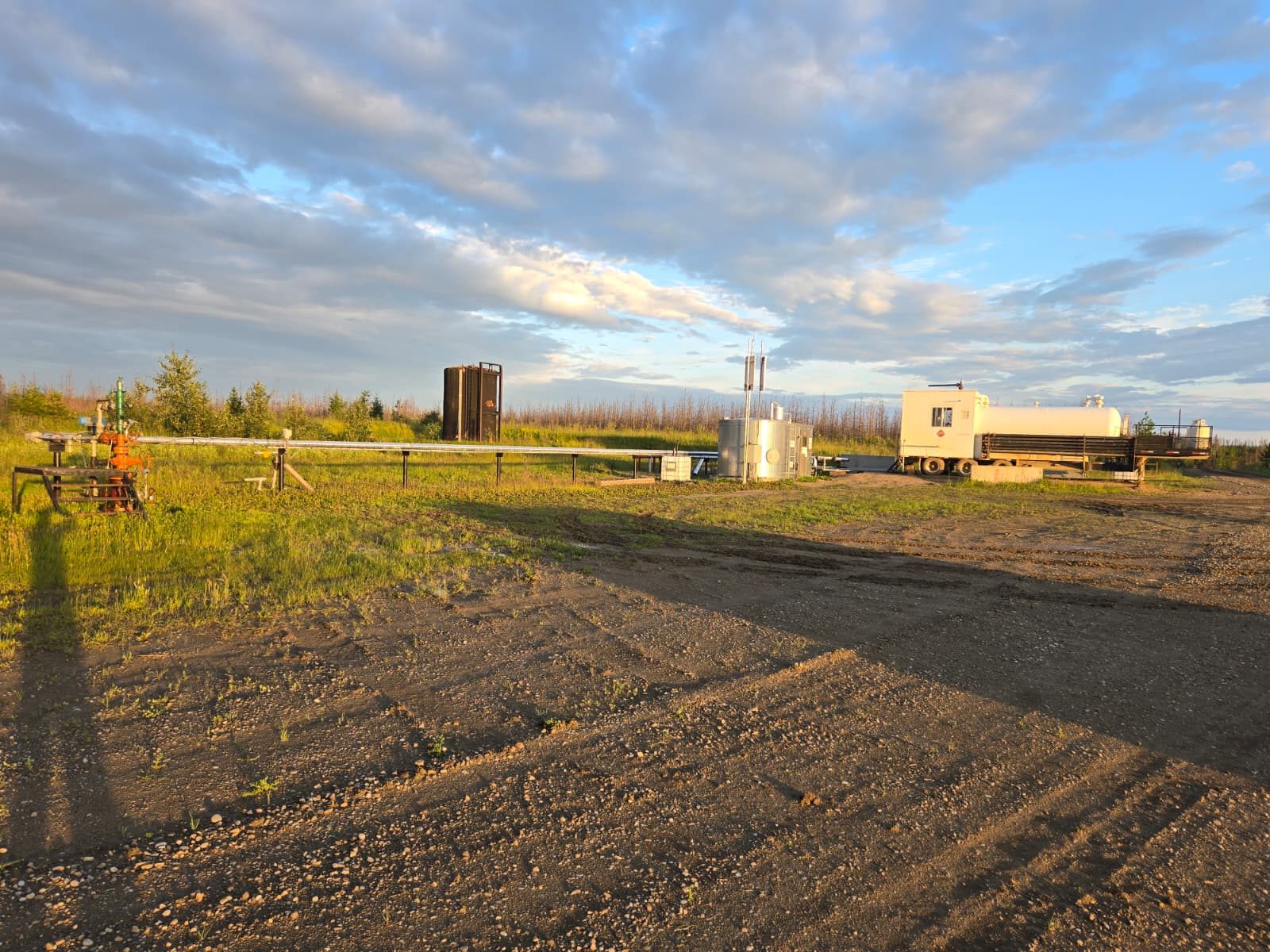
Assessment, agreement, install, operate.
We start with a site visit and a quick technical pass: gas volumes, composition, pad geometry, access, tie-in points, and environmental boundaries. If the numbers work, we move into a commercial arrangement tailored to your operation.
Installation is measured in weeks. Our equipment is modular, reversible, and does not tie up your pad with permanent structures. When we leave, the lease looks the same as when we arrived.
- Technical assessment of the pad and gas stream.
- NIA and regulatory package prepared up front.
- Modular generation and containerised compute delivered and commissioned.
- Day-to-day operations run through SCADA, with a response team on call.
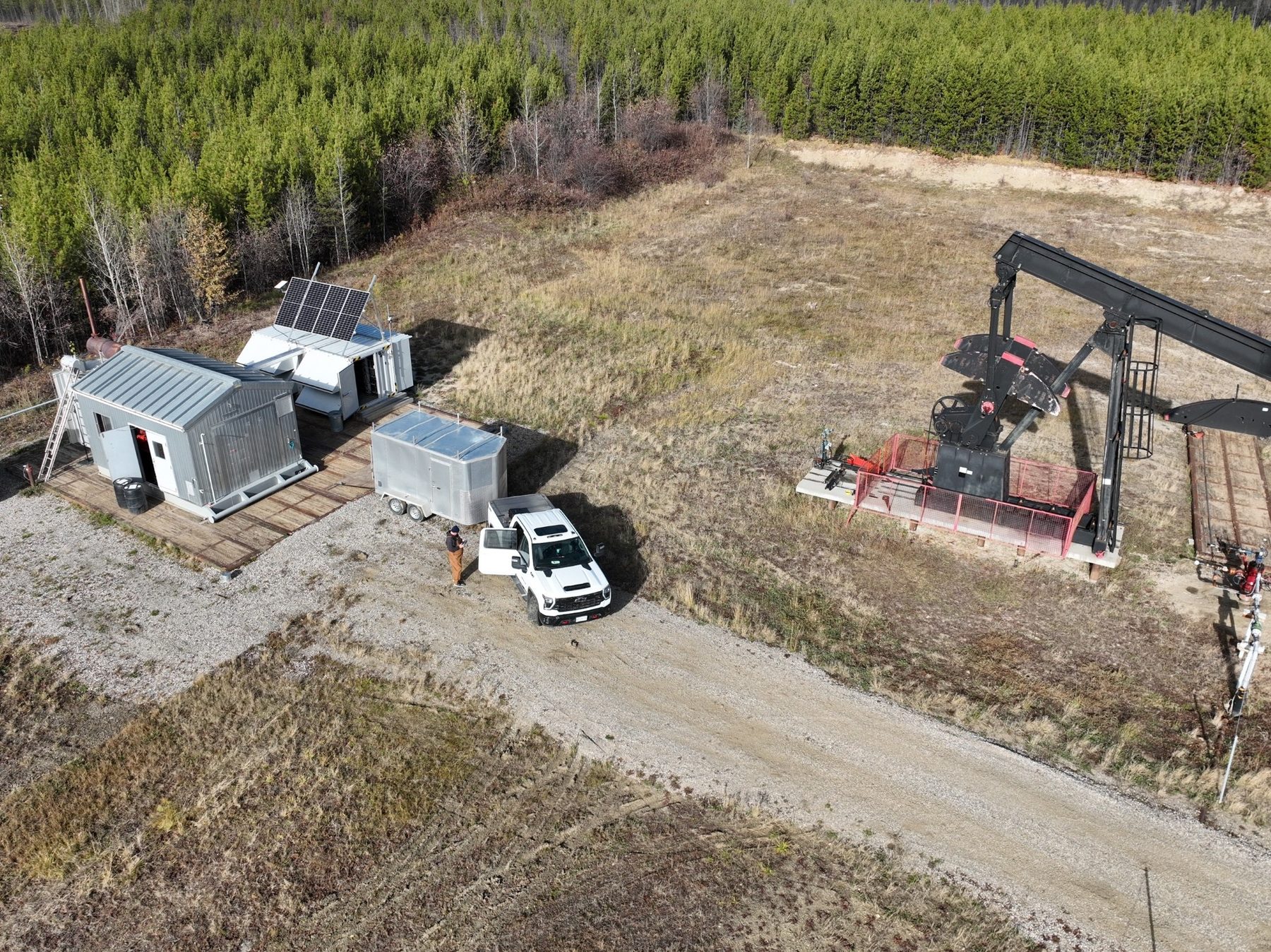
If you are flaring, let us do the assessment.
Send us the pad coordinates and a rough picture of gas volumes. We will come back with a realistic view of whether the site is a fit and what the arrangement could look like.