 Stonebit Resources
Built like field infrastructure. Watched like a data centre.
Every site is engineered for uptime first. That means generator controls done in hardware, supervisory software that someone actually watches, and a communications stack that assumes the weather is not on our side.
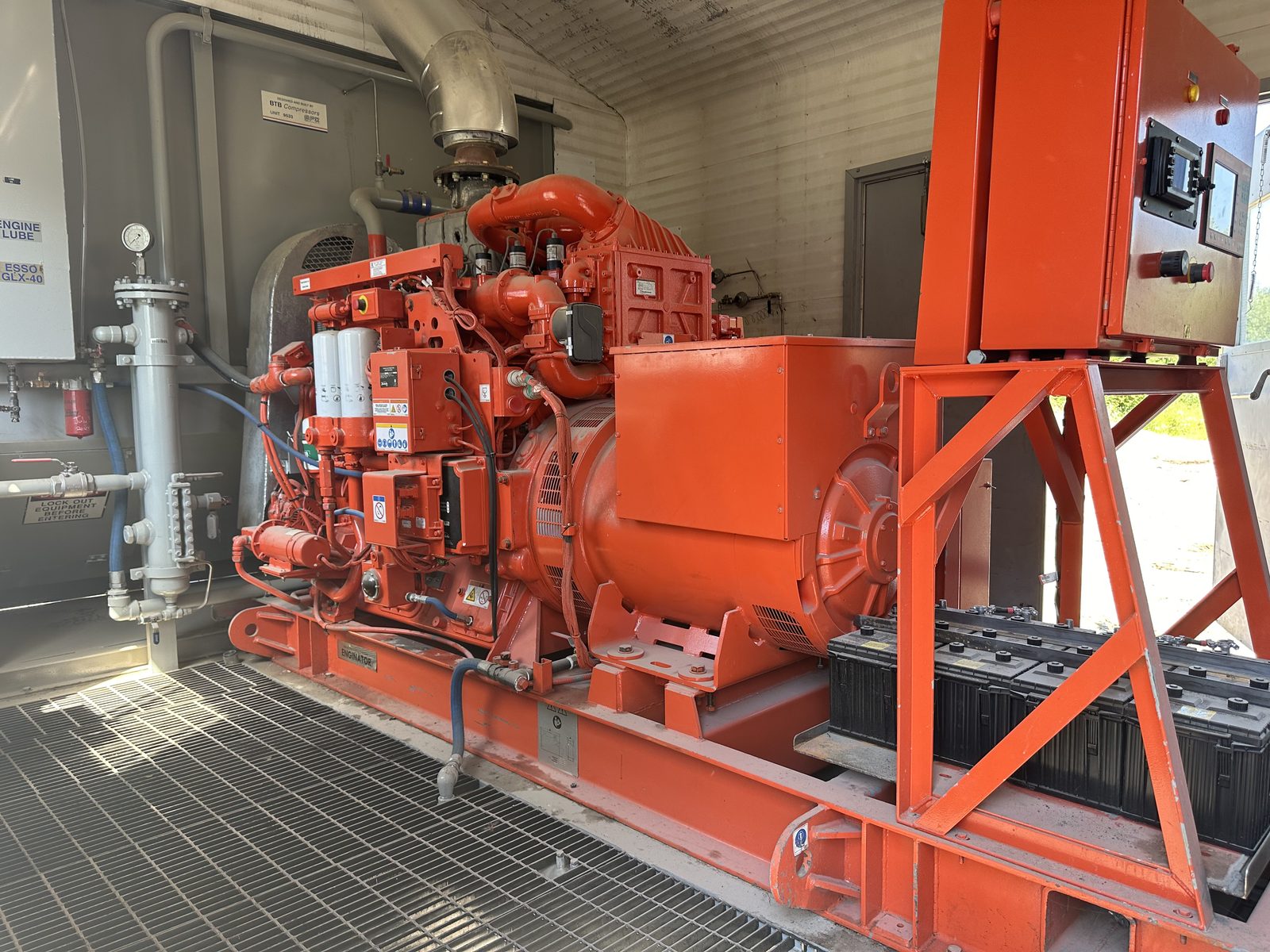
ComAp controls the generators. No improvisation.
Generation packages run on ComAp InteliGen and InteliSys controllers. That covers synchronisation, paralleling, load sharing, safety shutdowns, and the export of clean telemetry to supervisory layers. When a site has more than one generator on site, they behave as a plant, not as two boxes on the same pad.
Protection, start-stop logic, and fuel curves are tuned to the gas we have, not to a generic datasheet. The goal is the highest practical runtime at the efficient load band.
SCADA means someone is always looking.
Site telemetry, alarms, and trends stream into a SCADA view designed for operations, not dashboards. It brings together generator health, hash-rate performance, environmentals, and gas metering, so a single pane tells you whether the pad is earning, degrading, or needs a visit.
Alarming is tiered. Critical events page a person. Informational events get logged and reviewed. Every visit carries a checklist tied to recent data, not a gut feel.
What sits on every pad.
Natural-gas generation
Modern reciprocating gensets sized for the available gas. Paralleling where it makes sense. Waste-heat and ambient cooling considered up front.
ComAp control platform
InteliGen and InteliSys controllers handle sync, paralleling, load sharing, and protection. Telemetry pushes into the supervisory layer.
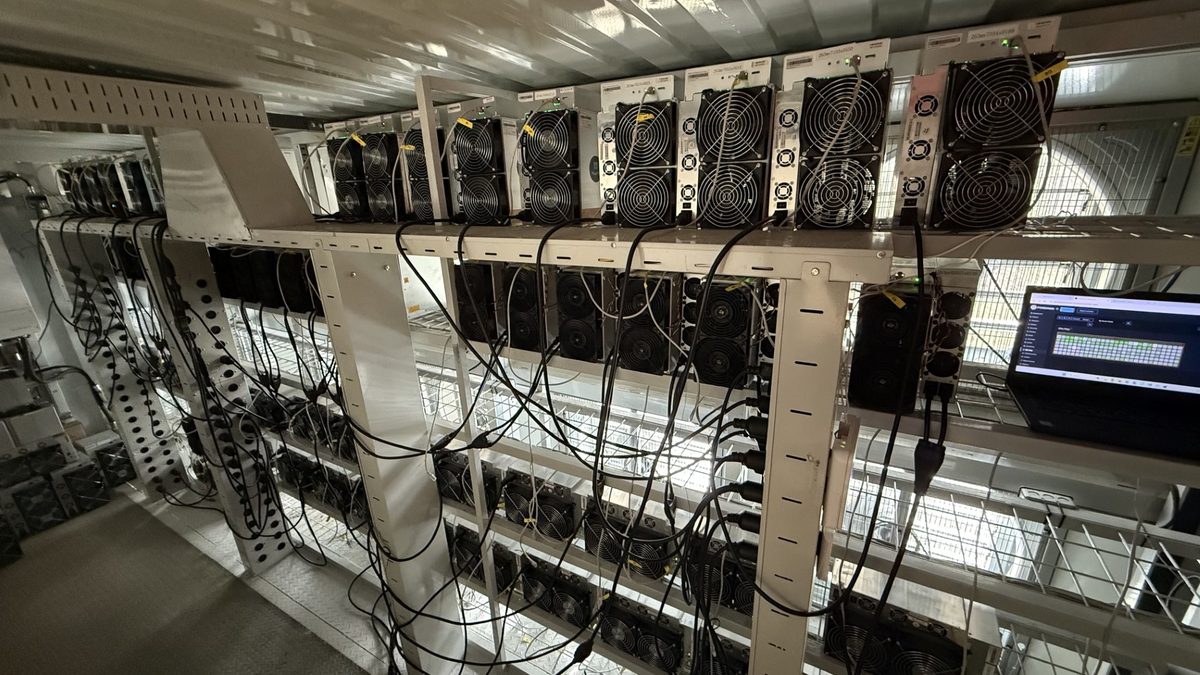
Bitcoin & Kaspa miners
Current-generation ASICs deployed in purpose-built containers with managed airflow and power distribution. Firmware and pools actively tuned.
Starlink + UPS
Primary uplink on Starlink with UPS on critical comms. Cellular fallback where coverage permits. Remote control does not depend on a truck.
Gas + electrical metering
Gas volumes, composition, and BTU are metered at inlet. Power is metered at the bus. Every kWh is accounted for before it reaches a miner.
NIA + regulatory alignment
Sites are commissioned with certified Noise Impact Assessments. Operations align with AER and AUC requirements and landowner expectations.
Things that quietly separate a site that lasts from one that does not.
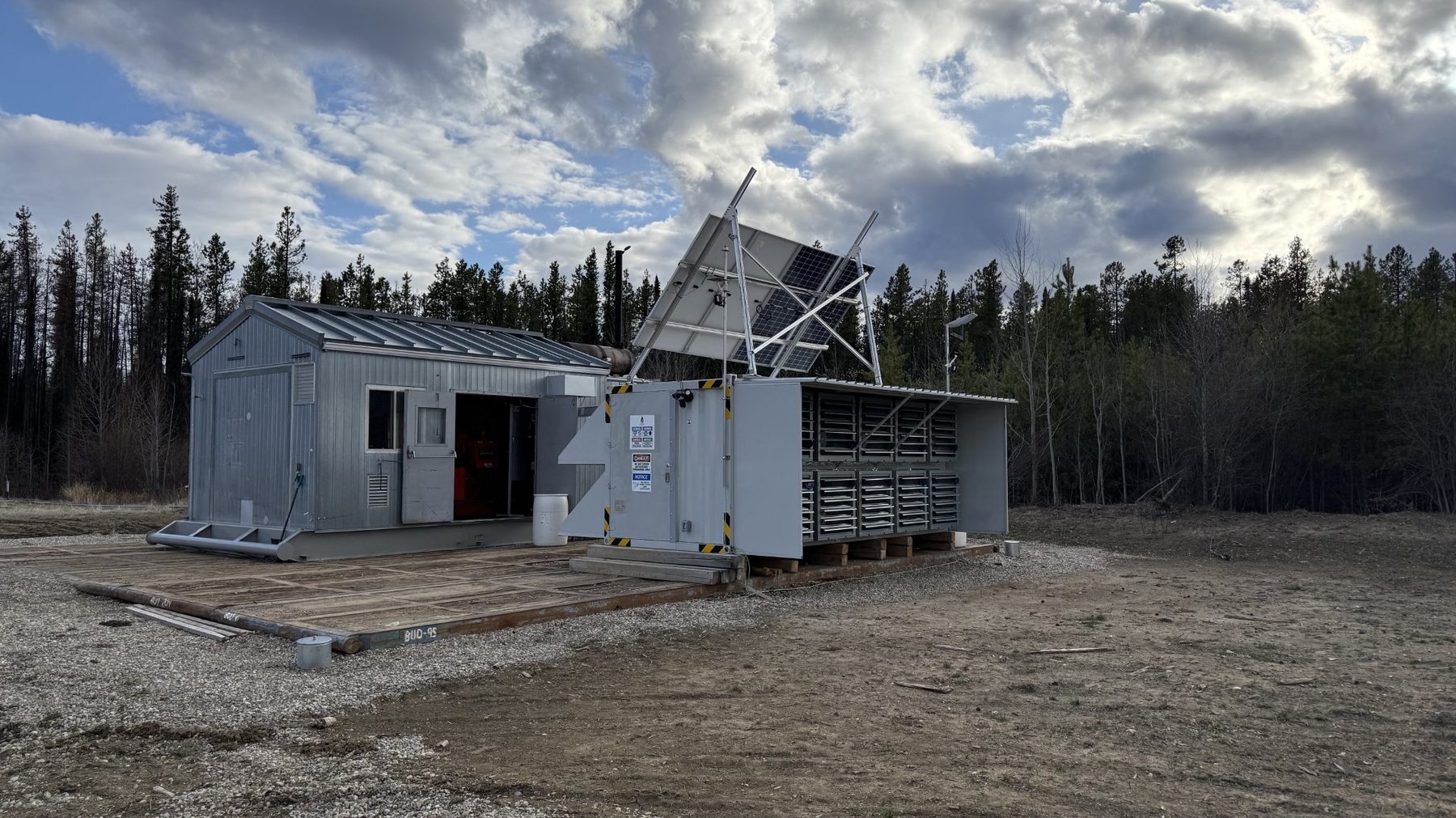
Pad and matting before anything rolls in.
Access roads, turnarounds, and wood matting are done properly. Trucks, cranes, and service vehicles do not work around half-measures, and spring thaw does not strand the site.
Airflow designed for the climate.
Louvers, filtration, and inlet/outlet geometry are sized for the worst week of summer and the worst week of winter, not the nameplate ambient.
Cable management that survives a visit at night.
Power and data runs are labelled, routed, and secured. Whoever walks in next can identify what they are looking at without a tour.
Alarming that tells you what to do.
Events carry context, severity, and the expected response. Nobody should be chasing blinking lights to find out why the site is off.
We welcome tough site questions.
Happy to walk through generator specs, SCADA schematics, uptime history, and commissioning documentation for a technical sit-down.